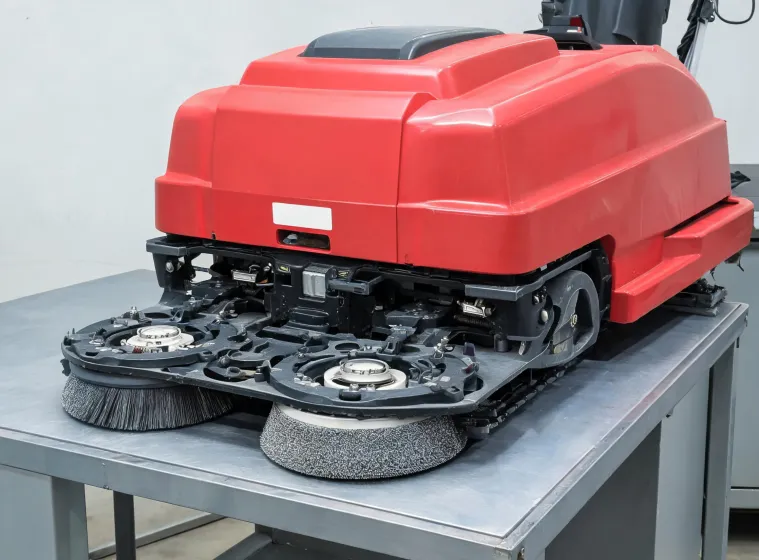
Contact-interface review
Inspect brush or pad condition, attachment, pressure setting, surface compatibility, and the effect of embedded debris before comparing cleaning passes.
The machine sits inside a wider method: surface and finish, soil, brush or pad, chemistry, solution delivery, travel pattern, water recovery, operator interaction, energy state, and maintenance. The useful engineering question is not whether one element looks strong in isolation, but whether the complete route remains repeatable under documented conditions.
This site uses a conservative evidence boundary. It does not invent customer outcomes, exact model specifications, external awards, or certification status. Current manufacturer documents, regional declarations, machine instructions, and representative testing remain the authority for a purchase or operating decision.
“A floor-cleaning result becomes useful evidence only when the route, machine configuration, consumables, chemistry, speed, water setting, soil condition, operator interventions, and inspection method are recorded together.”
That principle changes the sales conversation. A specification can narrow a shortlist, while a representative trial checks access, maneuvering, pickup, surface response, refill and dump interruption, operator workload, noise, and the daily care sequence.
It also changes how limitations are reported. Theoretical area rate excludes many non-cleaning minutes. Battery runtime changes with state of health, load, brush pressure, travel, ambient conditions, and accessory use. Water recovery changes with blade condition, adjustment, joints, turns, debris, and floor flatness.
The following settings describe a verification method, not a claim that every named facility or instrument is available in every region.
Inspect brush or pad condition, attachment, pressure setting, surface compatibility, and the effect of embedded debris before comparing cleaning passes.
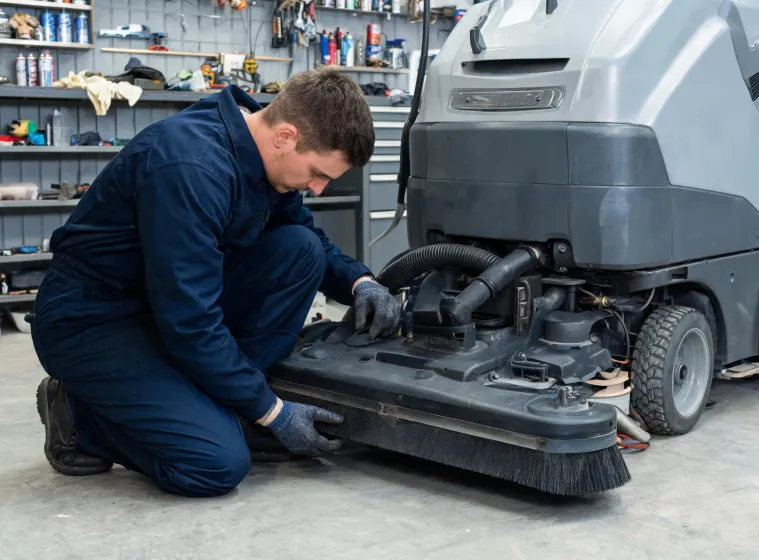
Check blade edges, adjustment, hose routing, seals, debris path, tank condition, and pickup behavior on straight runs and turns.
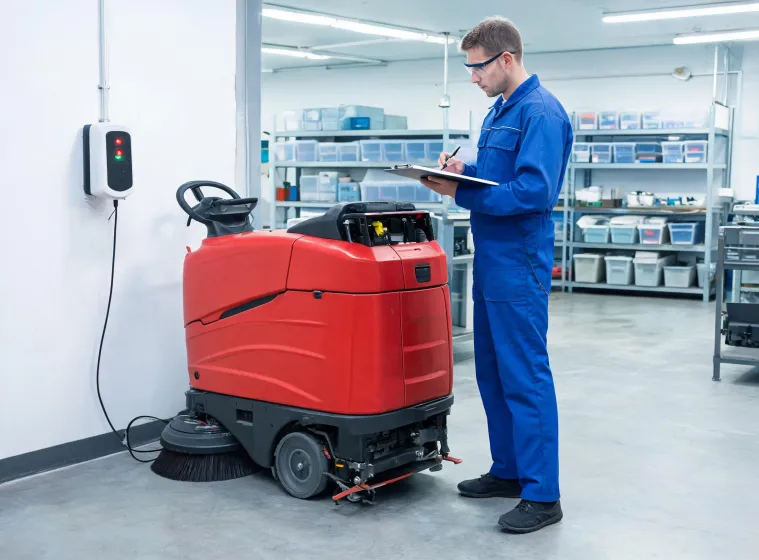
Record charging history, indicator state, operating load, interruptions, ambient condition, and test duration before interpreting a runtime observation.
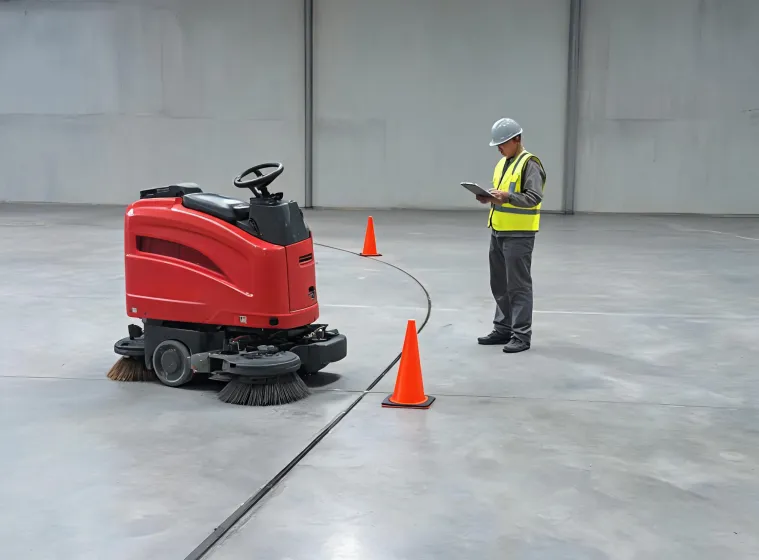
Include transitions, narrow points, corners, slopes where permitted, and worst-case soil rather than limiting the test to a short open lane.
Document availability depends on machine, configuration, market, and lifecycle state. Confirm revision, applicability, and language directly.
Identify the machine, working attachments, energy system, accessories, consumables, and environmental limits that apply to the offered configuration.
Verify intended use, prohibited conditions, inspection steps, personal protection, slope or surface limits, charging or electrical instructions, and emergency actions.
Define daily, periodic, and condition-based work; required skill; safe isolation; approved parts; and how service actions are documented.
Request only the documents relevant to the exact machine and destination. A generic website badge is not evidence of product-level applicability.
Share the intended route, machine family, market, operating conditions, and documents your approval process requires. A precise request is easier to verify and less likely to mix assumptions from different configurations.
Contact Hako