Application conditions define the test

Hako industrial cleaning routes by operating environment

A floor scrubber or sweeper crosses more than square footage. It crosses traffic windows, surface transitions, soil zones, doorways, drains, storage constraints, water points, charging access, and local safety procedures. These conditions determine which machine format deserves a representative trial.

The scenarios below do not prescribe a model. They show which evidence should enter a shortlist and which limitations should remain visible during evaluation.

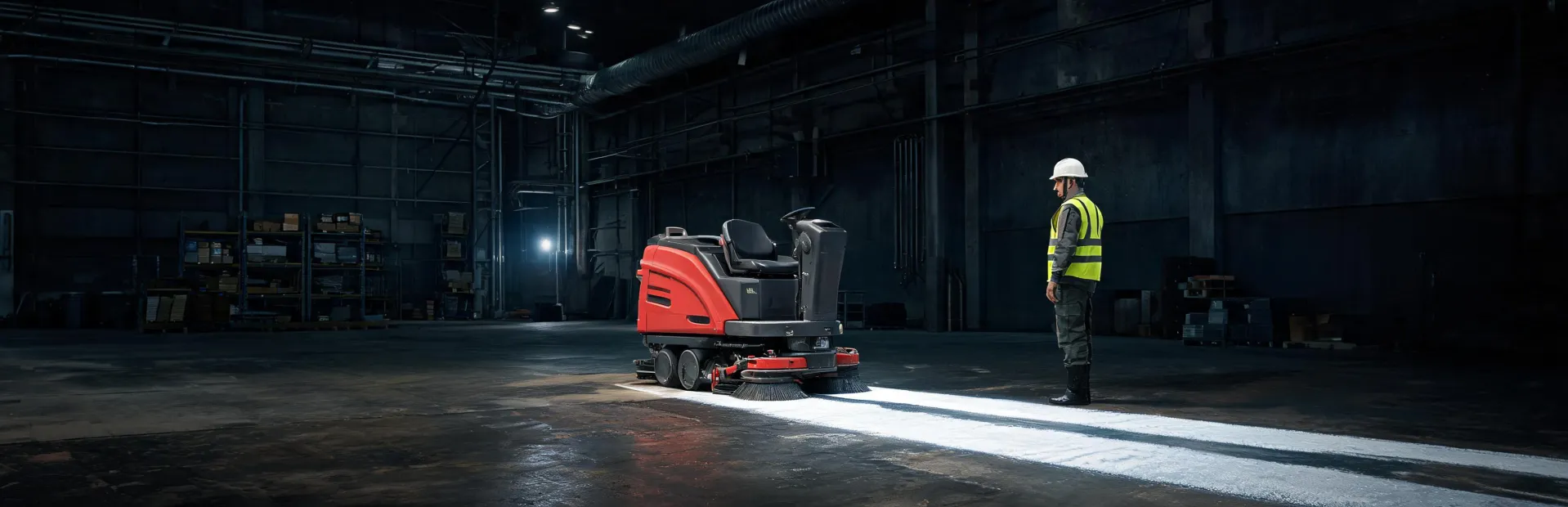
Hako cleaning machine moving between industrial floor environments
Five environment briefs

Scroll through the constraint that changes the answer

01

Warehouse & logistics

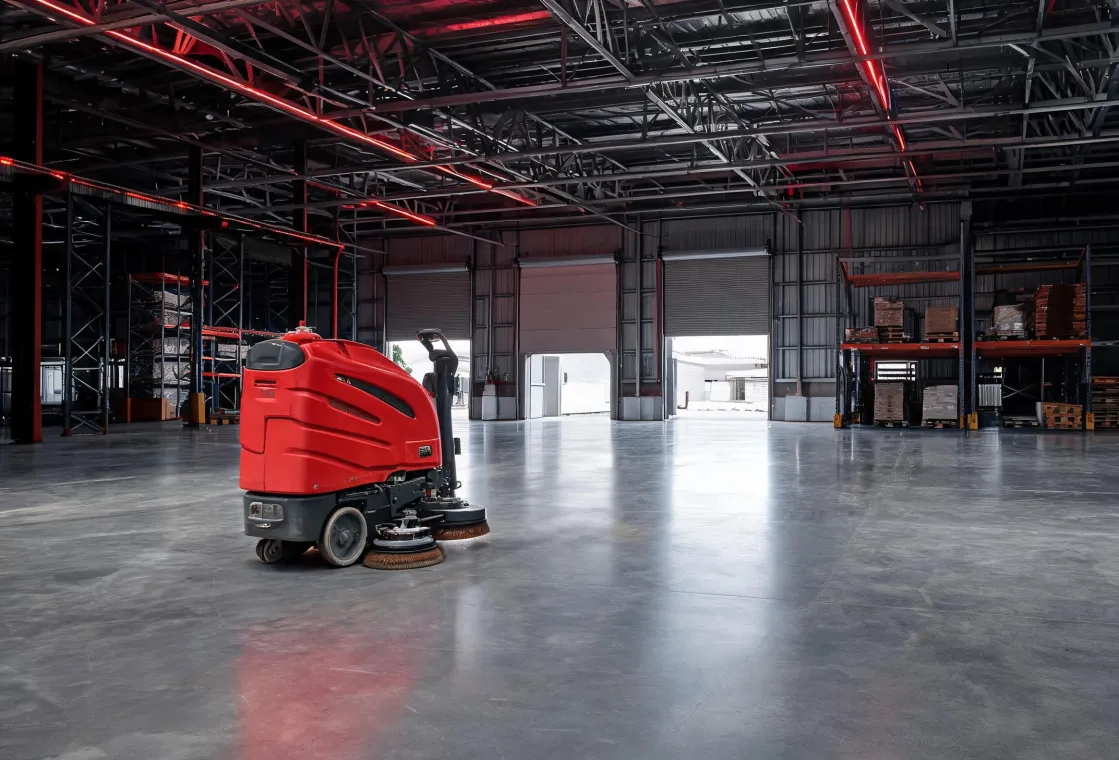
Long lanes suggest productive width, but dock soil, pallet debris, expansion joints, racking turns, pedestrian separation, and distant dump points can dominate the route. Measure the narrowest turn and track non-cleaning travel during the trial.

Check:sweeping before scrubbing, debris risk, route utilization, pickup across joints.

02

Manufacturing

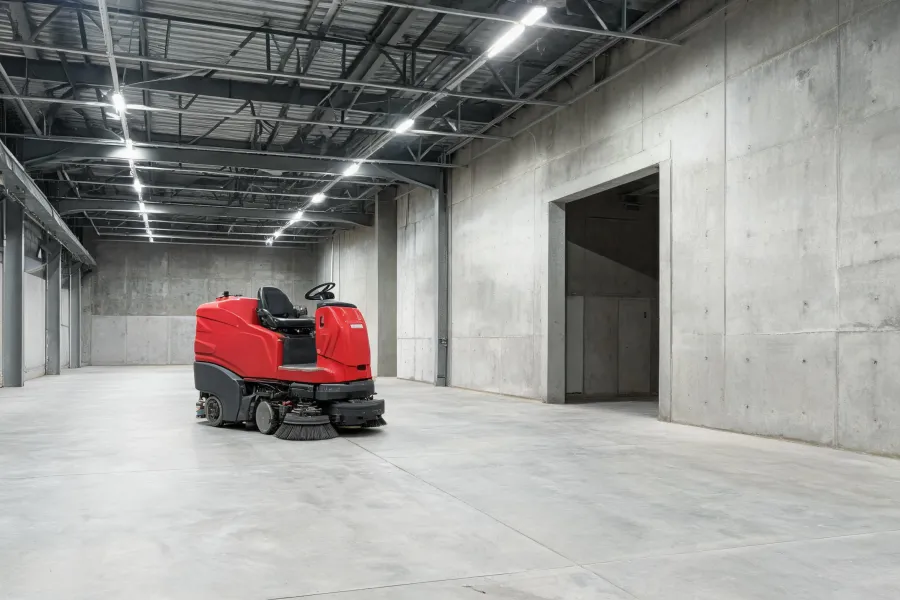
Tracked particulate, process residue, metal fragments, oil or coolant, cables, and mixed traffic require soil identification before method selection. Aggressive contact may improve removal but can damage coatings or increase consumable wear.

Check:surface compatibility, debris control, chemistry approval, production-zone restrictions.
03

Retail & public facilities

Fixtures, entrances, public sightlines, escalator approaches, short cleaning windows, and immediate dry-floor expectations favor maneuverability and consistent recovery. Noise and turning behavior matter alongside cleaning rate.

Check:minimum aisle, turns, recovery on edges, storage, public-area timing.
04

Healthcare & education

Zoned procedures, occupied corridors, acoustic sensitivity, floor-finish protection, and approved chemistry shape the operating method. Equipment selection cannot replace infection-control, safety, or facility-specific protocols.

Check:local procedure, finish compatibility, noise, cross-zone controls, operator handoff.
05

Municipal & transport

Entrances, coarse debris, seasonal soil, ramps, outdoor transitions, passenger flow, and long duty cycles create mixed sweeping and scrubbing needs. Weather exposure and slope remain machine-specific boundaries.

Check:debris path, permitted slope, visibility, transport route, service access.
Method comparisons

Two trade-offs that cannot be solved by area rate

Industry dispute assets are not provided in the configuration, so this page uses conservative selection trade-offs rather than invented market claims or competitor comparisons.

A repeatable 60-minute route observation

  1. Mark the test boundary and record surface, finish, soil, ambient condition, machine configuration, brush or pad, chemistry, solution setting, and starting energy state.
  2. Use the same operator or document operator change. Record setup, active cleaning, turns, stops, refill, dump, touch-up, and end-of-run care separately.
  3. Inspect pickup after straight runs and turns, remaining soil, visible floor response, operator interventions, and machine condition. Repeat when the result is sensitive to changing soil or consumables.

The protocol establishes comparison discipline; it does not create a guarantee or replace local safety assessment and current machine instructions.

Hako application demonstration in an industrial facility
Define the hard part of the route

Plan a Hako application trial

Send the floor, soil, access, workflow, operating window, consumables, water and energy constraints, and the observation method your team will use.

Request a Demo